Shoestring Fries
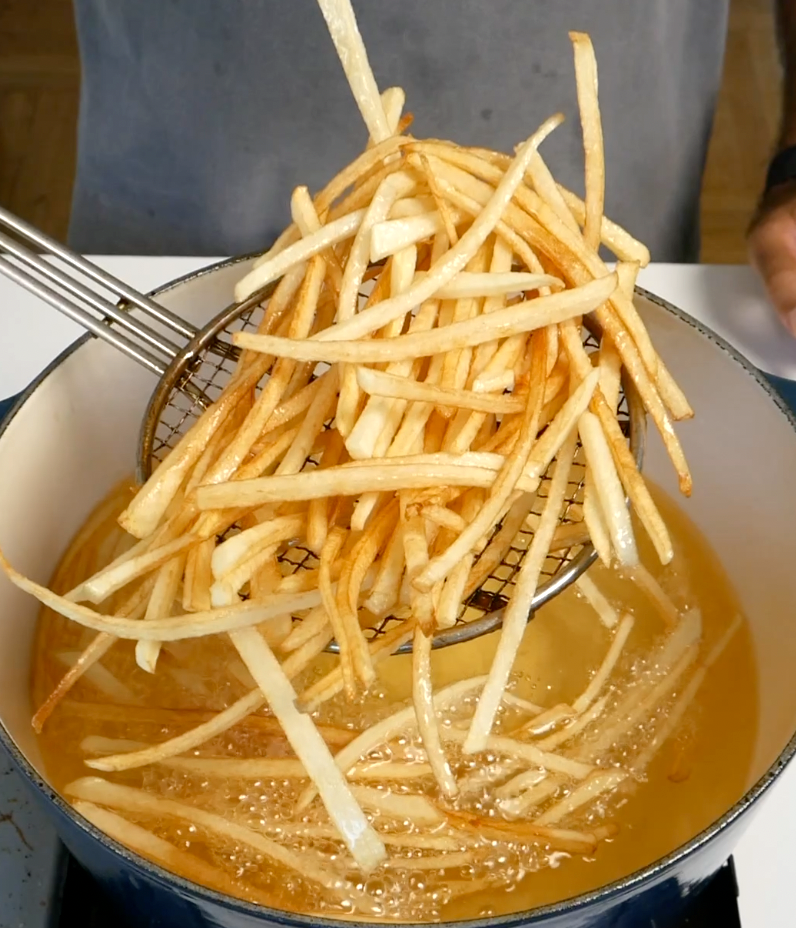
The debate over the best style of fries will continue for the rest of time, but my personal favorite way to enjoy them is shoestring(ish). My recipe doesn’t make them paper thin, but thin enough that you can munch on a bunch at a time, while still keeping the exterior crunchy and the interior fluffy.
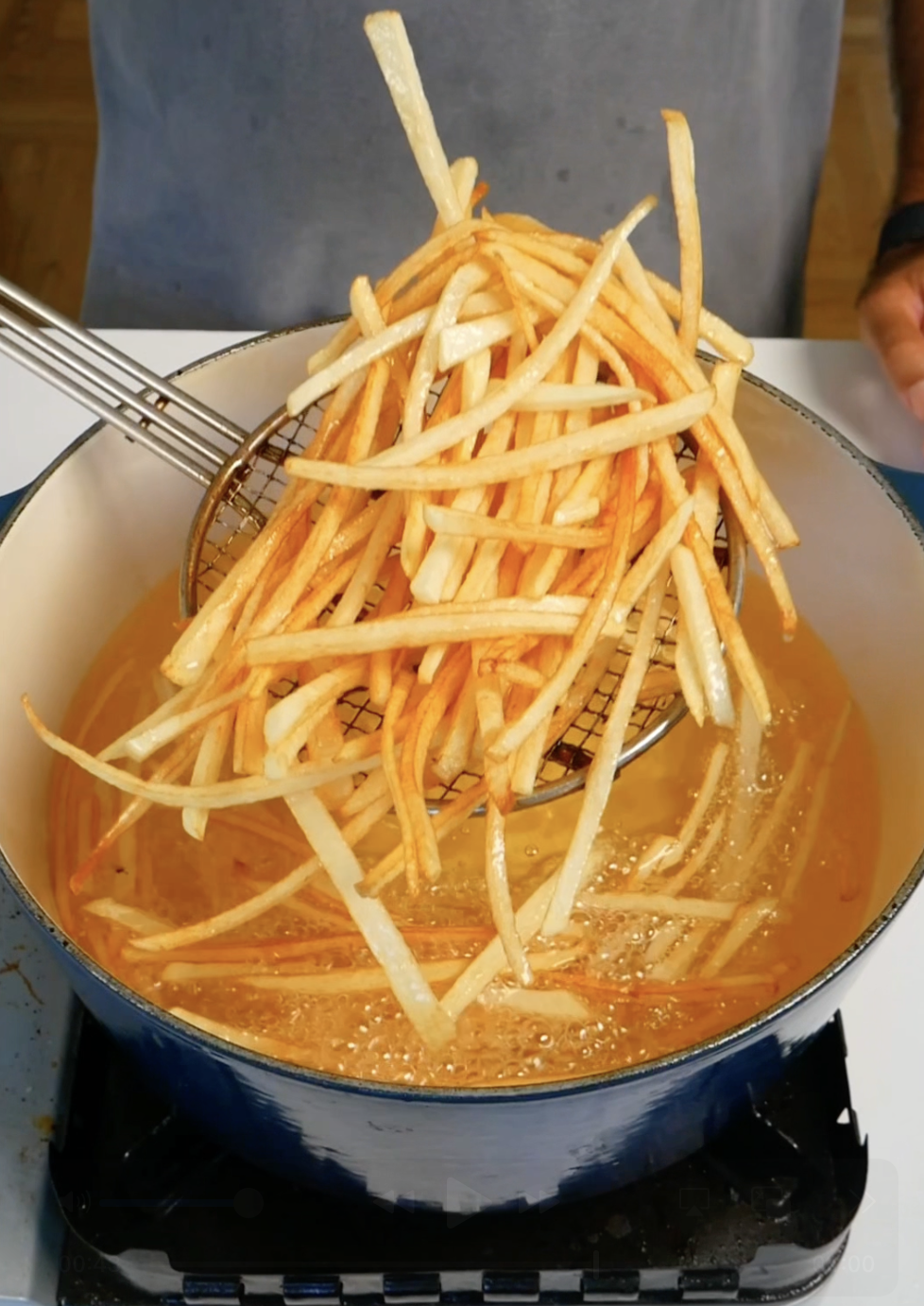
The fun thing about fries is that they are actually really easy to make and only require 3 ingredients. Potatoes, oil, and salt. Anything more is just to give your fries some added flavor.
What are the ingredients?
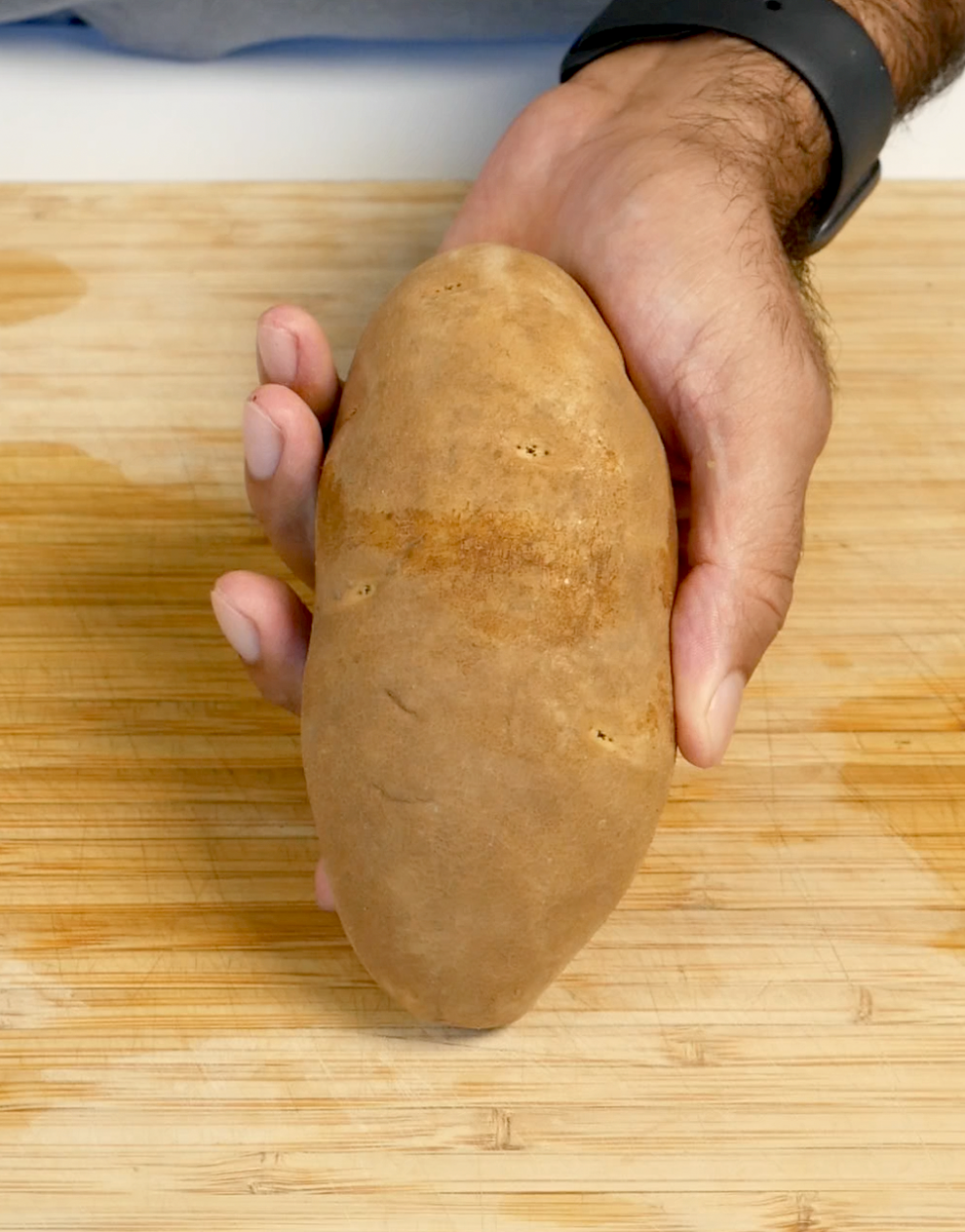
The main ingredient here is potatoes...as you probably guessed. And for fries, I always recommend Russet potatoes. They are high in starch while also being relatively low in moisture. This helps the fries crisp up to that beautiful golden-brown color without becoming overly greasy, while leaving us with a light and fluffy interior.
Outside of that, we’ll need a high smoke point oil for frying and some seasonings. All you really need is salt, but you can add a little pizzazz with Parmesan, garlic powder, or even some rosemary. I’ve even added a little truffle oil, which takes fries to a completely different stratosphere.
How do we fry these bad boys?
When it comes to frying these French fries, we can go about it 2 ways: a single fry or a double fry. This recipe walks through the single fry method, but the double fry is a great way to get some extra crunchiness. I’ll leave an overview below.
The one thing I found during my extensive French fry research, is that because of the small size of these fries, the double fry method may dry them out slightly compared to the single fry method, but it’s really not a huge difference.
Single Fry:
Using an oil temperature of 350°F, drop your fries in and cook for about 4–6 minutes, or until golden brown with some edges slightly darker. Remove them from the oil, drain any excess oil, and season immediately. This method works best for these fries, keeping the interior fluffy and the exterior crispy.
Double Fry:
The idea of a double fry is to cook the inside during our first fry and then crisp up the outside during our second fry.
Just like with the single-fry method, we’ll start with an oil temperature of 350°F for our first fry. Drop your fries in and cook for about 2–3 minutes. Once the fries look pale and limp but have a very slight color to them without being browned, drain them and place them on a wire rack to completely dry for about 15 minutes. Once dried, get your oil back to 350°F and drop the fries in for the second fry. This fry is very quick, about 1–2 minutes (if that), or until the fries are golden brown with slightly darker edges. Drain your fries and remove any excess oil, and season immediately.
I love using the double fry method because you can prep your fries in advance. Hit the fries with the first fry and let them dry. Then, once you’re ready to serve, go in for that second fry and enjoy.
Frying Tips:
- Work in Small Batches: This is probably the most important tip. Potatoes naturally release a lot of water, causing the temperature of the oil to drop. If you place a large batch into the oil and the temperature drops too low, it's going to take too long for your temperature to come back up, and your fries are going to be soggy. So trust me when I say this, if you don’t want soggy fries, work in small batches!
- Maintain Oil Temperature. Once you drop your fries in, keep an eye on the temperature. You may need to increase the heat to bring the oil back up to 350°F. A kitchen thermometer is your best friend here.
How thick should my fries be?
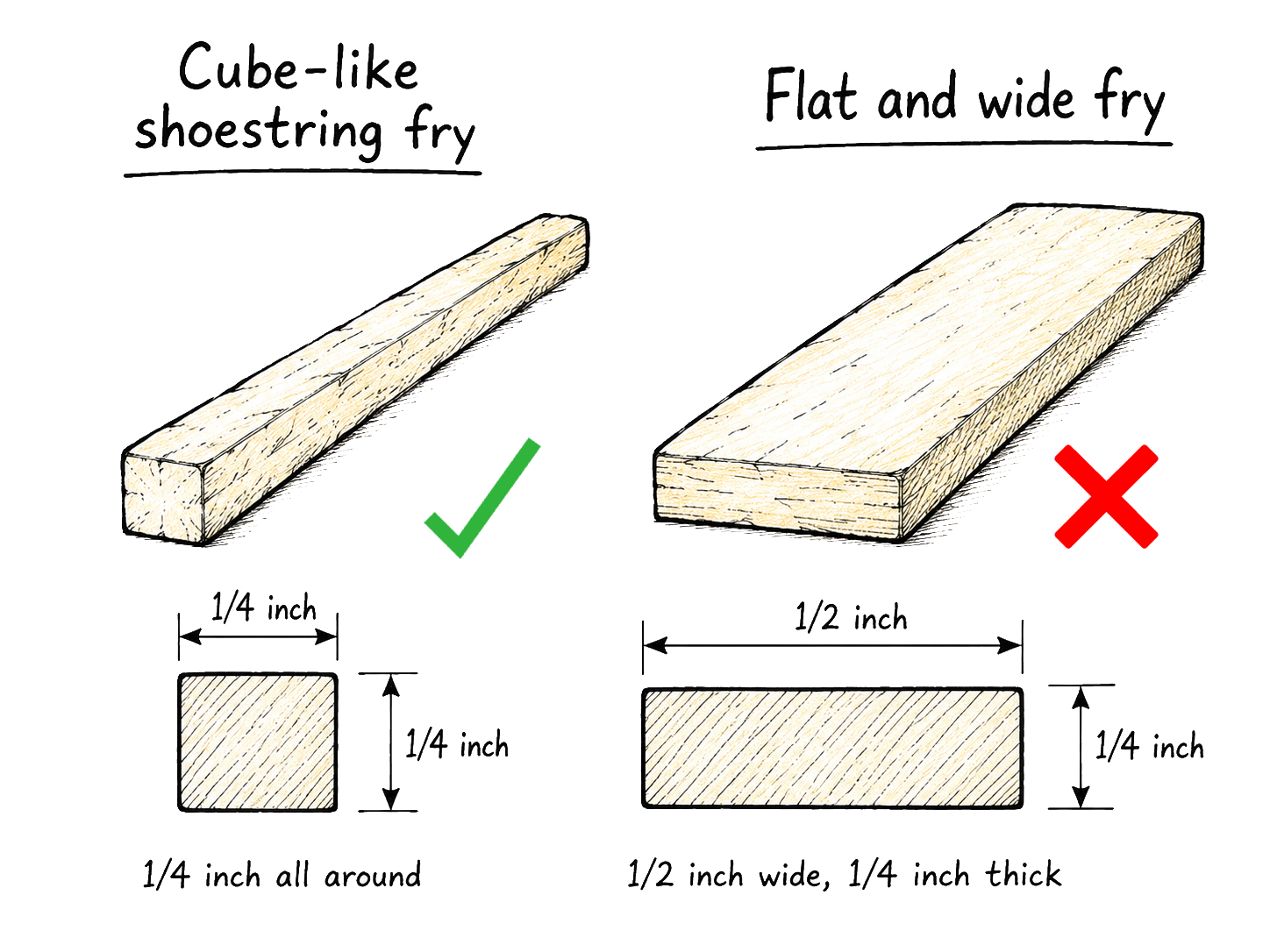
When it comes to the length of your fries, you can make them as long as you want. The width is what matters most. I like to aim for about ¼ inch thick all around, but don’t worry, you won’t need to pull out a measuring tape.
The main goal is to make sure all your pieces are evenly sized. A mandoline works wonders for this, but a knife is perfectly fine too. Start by cutting the potatoes into ¼-inch-thick slices. Then, take those slices and cut them lengthwise into ¼-inch-thick fries.
Try to avoid creating potato sticks that are flat and wide. You want them to be more square or cube shaped, with roughly the same width on every side. If they’re coming out flat and wide, your cuts are too large. Make tighter, smaller cuts to get that even shape.
What about seasoning?
Salt. That's it.
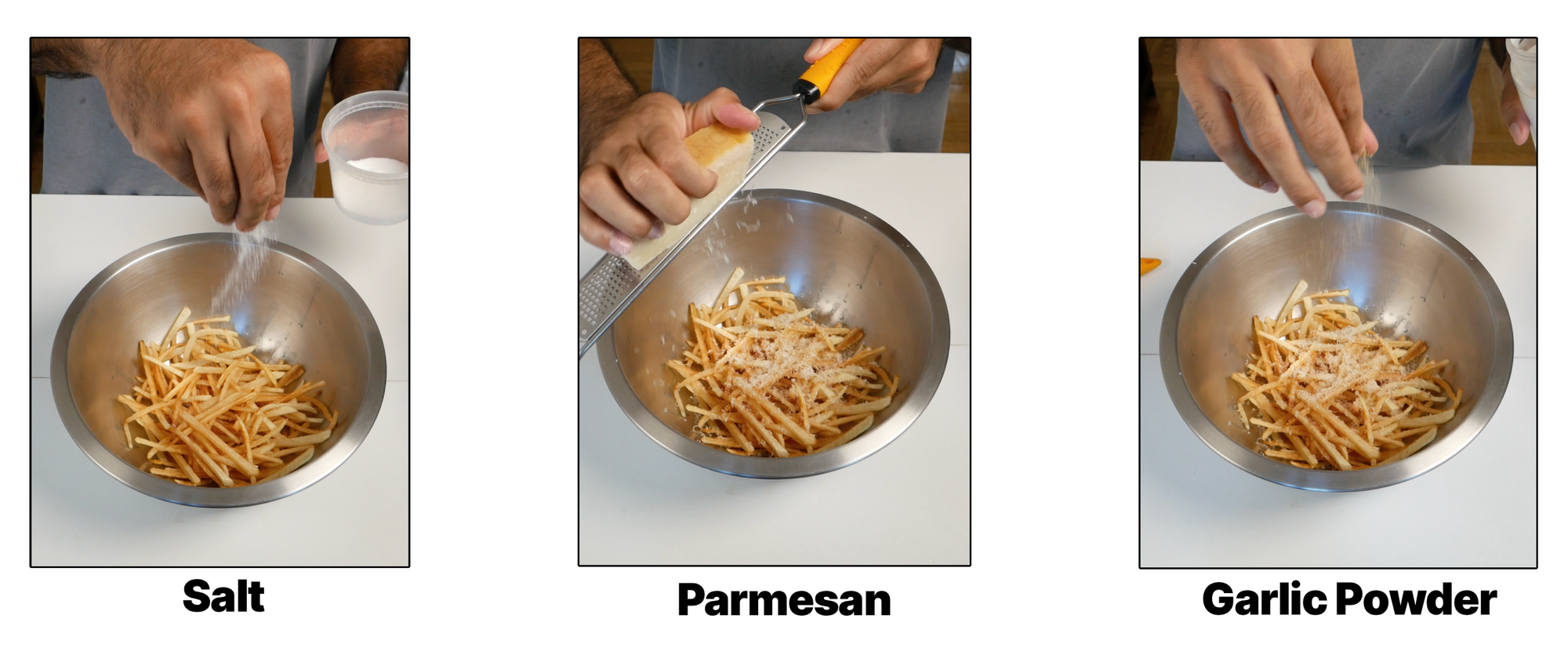
Everything else is an added bonus. Go crazy and have fun with it. My personal favorite way to season fries is with salt, Parmesan, and garlic powder. Maybe add some chives on top if you’re feeling fancy.
The main thing you should take away when it comes to seasoning is to do it as soon as they finish cooking and you’ve drained off the excess oil. The heat and small amount of oil still coating the fries help the seasoning stick. If you wait until the fries are completely dry, the seasoning won’t cling as well, leaving them tasting underseasoned.
Recipe
Prep: 15 mins
Cook: 15 mins
Total: 30 mins
Serving: 1 bowl of fries
Ingredients
- 3 russet potatoes peeled
- oil for frying
- salt to taste
Optional Seasonings
- parmesan
- garlic powder
- rosemary
- chives
Directions
- Using a mandoline or a sharp knife, slice the potatoes lengthwise into ¼-inch-thick slices.
- Stack a few slices and cut them lengthwise into ¼ inch thick strips. You want long, thin potato sticks that are as even in size as possible. (see notes)
- Place the fries into a bowl of cold water. Rinse and drain them a few times until the water runs clear and most of the excess starch has been removed.
- Completely dry the fries with paper towels. Let them dry for about 15–20 minutes. The drier they are, the crispier they will get.
- Heat your frying oil to 350°F. Carefully add the fries in small batches, making sure not to overcrowd the pot.
- Fry for 4–6 minutes, keeping a fry temp of 300-350°F. Fries are done when they are crispy, golden brown and a few slightly darker edges. (see notes)
- Remove the fries from the oil and allow the excess oil to drain. Immediately transfer them to a bowl and season with salt, freshly grated Parmesan, and garlic powder.
- Serve and eat immediately. If making a larger batch, keep the finished fries in the oven at its lowest temperature so they stay warm and crispy until serving. (see notes)
Notes
- Cutting the fries: Aim for cube-like potato sticks. If your fries are coming out wide and flat, your cuts are too big. Try to make tighter, smaller cuts so the fries are about ¼ inch thick on all sides.
- Frying color and crispiness: Visual cues are best when frying. You may want to take the fries slightly darker than golden brown to make sure they are fully crispy. Look for a deeper golden brown with a few slightly darker edges.
- Don't Overcrowd: Work in small batches. Adding too many fries will drop the temperature too low, leaving you with soggy fries.
- Oil temperature: Try to maintain an oil temperature of around 300-350°F after the fries are added. The temperature will naturally drop, so raise the heat as needed to bring it back up and keep it steady.
- Seasoning: After draining the fries from the oil, season immediately. The oil on the fries allows the seasoning to stick, allowing the fries to taste better.
- Keeping them warm: Keep the finished fries in the oven at the lowest temperature your oven allows. Make sure not to leave them in there for too long, or they may begin to dry out.